
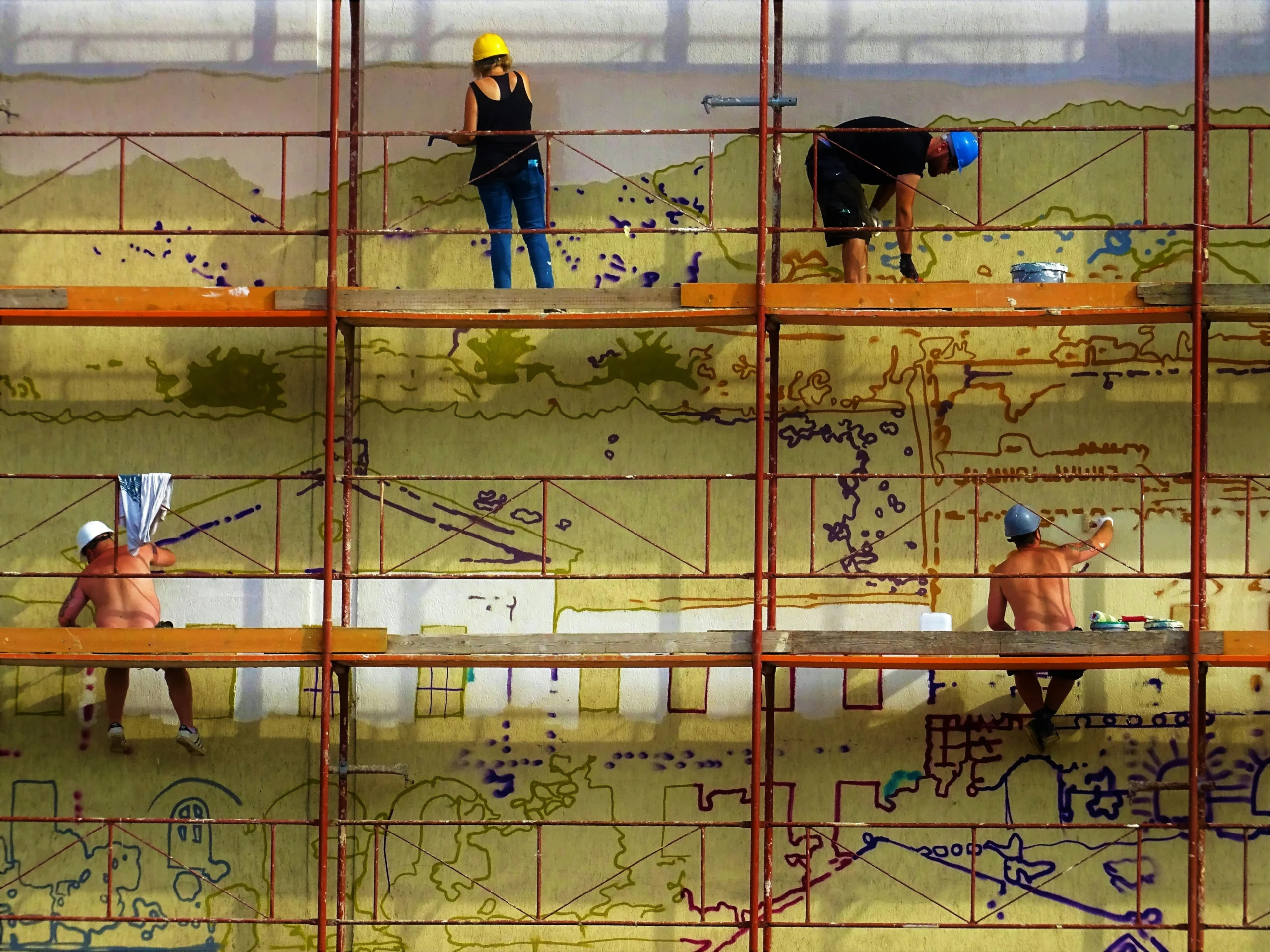
For young students or career changers aspiring to be a scaffolder, we understand that reading up on what it really means to be a scaffolder, and real life events that occur, could help mould your opinion on this path and to help you discover your goals in the future. At Safeway Scaffolding, we have over 20 years of experience and therefore have seen many different skill sets from the staff we have had over the years.
We will cover what we do from planning, execution, the aftermath of client work and ultimately answering the question of – What does a scaffolder do?. So, if you are willing to learn about how your days could look, then get started today!
What Exactly is A Scaffolder?
A scaffolder is a worker whose job is to put up, modify, and take down scaffolding (temporary platforms and support structures used to work safely at height).
And, what do we do?
As scaffolders we have a range of steps that are involved pre, during and post execution. Although there are some essential tasks that we will do for a majority of our clients. These include:
- Erect scaffolding (build it to the required design)
- Alter/adjust scaffolding as the job changes
- Dismantle scaffolding safely when the work is finished
- Secure and stabilise scaffolds (ties, braces, guardrails, toe boards)
- Inspect for safety and fix issues before others use it
A Common Schedule Of Our Days
1) Morning briefing and site arrival
Most days start with a quick toolbox talk. You’ll run through the plan, hazards, weather, PPE, and what our team needs to achieve. Then it’s on to the site, signing in and meeting the site manager.
2) Assessing the job and setting up
Before anything goes up, you’ll check access, ground conditions, where materials can be stored, and any obstacles like doors, conservatories, fragile roofs, power lines, or public walkways. Then you mark out the scaffold footprint and get the area ready.
3) Building the scaffold
This is the main part of the day. You’ll work as a team to build the scaffold to the design, adding lifts, boards and access, while keeping it safe as it grows (guardrails, toe boards, correct ties, and bracing).
4) Safety checks and handover
Once built, the scaffold gets checked to make sure it’s stable, level, and compliant. Then it’s handed over so other trades can work from it safely (often with tagging/sign-off depending on the site).
5) Changes, problem-solving, and wrap-up
Jobs rarely stay the same. You might return to alter the scaffold, extend it, add a lift, or move an access point. At the end of the shift, you tidy the area, secure materials, and plan what’s next for tomorrow.
If you want, I can also write the next section as a punchy “real-life scenarios” bit (bad weather days, tight access, working around the public, awkward builds) to make it feel more realistic and engaging.

Do All Scaffolding Companies Have The Same Days
In the UK, scaffolding has to be planned, built and managed under strict safety rules. That includes the Work at Height Regulations and CDM, which are there to make sure access equipment is safe, risks are controlled, and the right people are in place to deliver the work.
In simple terms, scaffolds must be designed properly for their use, erected by competent teams, and inspected regularly. Typically this includes checks before first use, after changes, and at intervals that don’t exceed seven days, as well as after anything that could affect stability such as bad weather or impact.
This matters because scaffolding is what other trades rely on. When it’s done correctly, it means safer working at height, fewer delays caused by failed inspections or last-minute fixes, and a smoother job overall.
That is where Safeway Scaffolding stands out. We do not force every project into a standard setup. For every client, we provide both TG20:21-compliant scaffolds and fully designed scaffolds, depending on what the site needs. If the structure is straightforward, a TG20:21 approach keeps things efficient and compliant. If the job is unusual, restricted, or complex, we provide a designed solution so the scaffold is right for the building, the programme, and the people using it.
Because we are NASC members and our teams are CISRS-trained, you get a consistent, professional service from erection through to dismantle. We are also known for taking on the awkward builds that others avoid, with a practical approach, clear communication, and reliable staff on site.
What this means for you
- The right scaffold type for the job: TG20:21 or designed
- CISRS-trained scaffolders for erection and dismantling
- Strong experience across commercial and bespoke contracts
- Specialists in unusual or complex scaffolding
- Options for scaffold hire or a full contracting service
Challenges in Our Day
Like most jobs, scaffolding comes with challenges, both physical and mental. The work is mainly physical, but it’s completely manageable with the right training, safe working methods, and a solid team around you. If you’re a client, it helps to know that some factors can affect the day, such as sudden weather changes, restricted access, roadworks nearby, tight delivery windows, or other trades working in the same space.
For anyone looking to get into the industry, those challenges are part of the job, not a reason to be put off. You learn quickly how to plan ahead, communicate clearly, adapt on site, and keep everything safe and on track, even when the conditions are not perfect.
Frequently Asked Questions
What does a “good” scaffolding day look like in real life?
A good day usually means a clear plan, smooth site access, materials organised, and the scaffold going up in the right sequence with good communication between the team and the site contact.
What should I expect from a scaffolding team on the day of erection or dismantlement?
You should expect an organised arrival, safe set-up of the work area, clear communication about access and timings, and a structured build or dismantle that keeps the site tidy and controlled.
How do scaffolders work around other trades without slowing the job down?
It comes down to coordination. Scaffold teams plan access routes, loading areas, and build sequences so other trades can continue working safely, and any changes can be handled without disruption.
If I’m new to scaffolding, what will my first few weeks typically involve?
You’ll usually start by learning site routines, safe handling, basic components, and how a scaffold build is sequenced, while working closely with experienced scaffolders and gradually taking on more responsibility.
What information should a client share upfront to get the best result?
Key details include what work needs access, site restrictions (parking, roadworks, public walkways), expected dates, and any tricky areas like fragile roofs or tight access, so the scaffold can be planned correctly from the start.
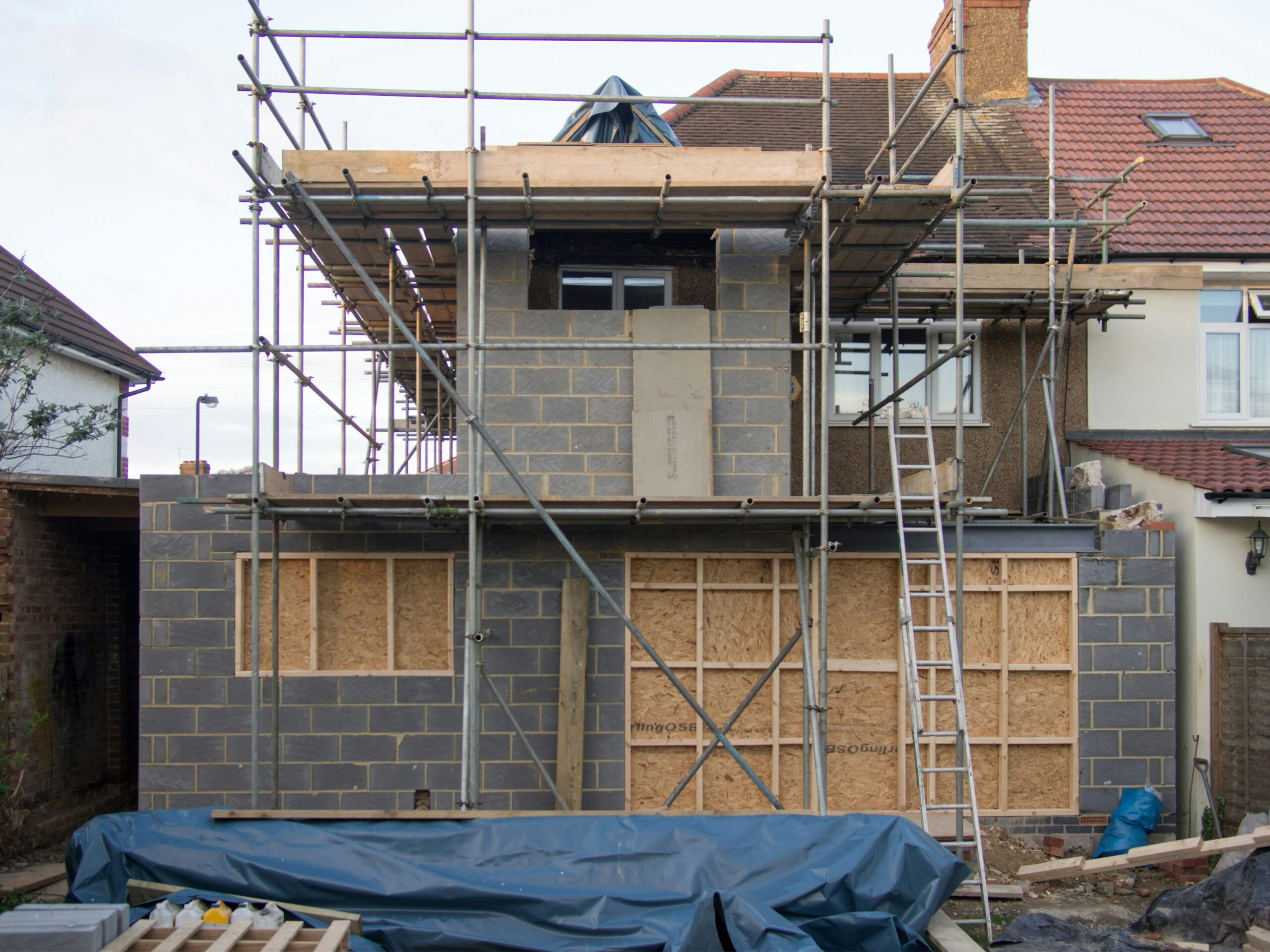
Get in Touch With Safeway Scaffolding Today!
If you are looking for services done by our accredited and well-respected team near Birmingham, then contact Safeway Scaffolding today. Equally if you are searching for roles like ours or within the industry you can give us an email and we will get back to you as soon as possible with an update on work availability at our company and next steps.