Scaffolding Through the Centuries: Then vs Now

Being in the 21st century means having access to better technology, stronger materials, and more advanced skills than ever before. But it hasn’t always been this way. Scaffolding has changed dramatically over time, and the methods used in the past were very different from what we see on sites today.

It’s easy to assume scaffolding has always looked and worked the way it does now, but that’s not the case. In this blog, we’ll explore how scaffolding has evolved through the years, the techniques that were once used, and just how much more challenging working at height would have been in earlier times.


How Scaffolding Started

Scaffolding can be traced back to around 2600 – 2500 BC in Ancient Egypt, where it was used during the construction of the pyramids and other large stone structures. The methods were very different from what we see today. Instead of full scaffold systems, builders mainly relied on large ramps made from mudbrick or stone, which allowed workers to drag heavy blocks into position as the pyramid grew taller. In some areas, simple timber poles and wooden platforms were likely used to give workers a place to stand while working at height, particularly when carrying out more detailed finishing work.
Scaffolding in Ancient Rome

As construction methods developed, the Romans began using more structured forms of scaffolding to support their large and ambitious building projects. Around 200 BC to 400 AD, timber scaffolding was commonly used when constructing aqueducts, bridges, amphitheatres, and public buildings. Builders would create wooden frames and platforms to help workers reach higher areas safely while placing stone and carrying out detailed work.

In many cases, small holes were built into the walls of structures to support wooden beams, which could hold up platforms as the building grew taller. Compared to the basic methods used in Ancient Egypt, Roman scaffolding was more organised and practical, allowing workers to move around structures more easily while continuing construction at height. 


Scaffolding in the Medieval Period 

During the medieval period, roughly between 1100 and 1500, scaffolding became a more familiar part of large building projects across Europe. Huge stone cathedrals, castles, and churches were often built over many years, sometimes even decades, which meant workers needed reliable ways to reach higher levels as the structures slowly took shape.

Timber was still the main material used, with wooden poles, boards, and platforms forming simple but effective scaffold frames around the sides of buildings. In some cases, scaffolding would remain in place for long periods while work continued higher up. Builders also placed wooden beams into gaps within the walls to support working platforms as construction progressed.

Although the methods were still basic compared to modern systems, scaffolding during this time played a much bigger role than before. It allowed builders to work on taller and more detailed structures, particularly when adding stonework, towers, and decorative features high above ground level.


The Move Between Modern Scaffolding

As construction continued to develop through the 18th and 19th centuries, scaffolding began to change more noticeably. Timber was still widely used, but builders started looking for stronger, more reliable materials that could support heavier loads and taller structures. With towns and cities growing quickly, buildings were becoming larger and more complex, which meant safer and more stable access was needed.

By the early 20th century, metal scaffolding started to appear, offering greater strength and durability than wood. Steel poles and fittings allowed structures to be built higher and more securely, and they could be reused across multiple projects. This marked a major turning point, as scaffolding became more standardised and easier to assemble compared to the earlier, fully timber-built systems.


Then vs Now

Looking back, the change over time is easy to see. Early builders in Ancient Egypt used ramps and simple wooden platforms to help construct the pyramids. The Romans introduced more organised timber frameworks to support large public buildings. During the medieval period, scaffolding became essential for building tall cathedrals and castles, often staying in place for years at a time.

The biggest shift came with the move from timber to metal in the 19th and 20th centuries. Steel made scaffolding stronger, more stable, and reusable, which helped shape the systems we recognise today.

While the purpose has always stayed the same, providing safe access to work at height, the materials, safety standards, and level of planning have improved massively. From ancient stone structures to modern homes and commercial buildings, scaffolding has continued to evolve alongside the construction industry.

Conclusion

From the earliest pyramid builds to the complex projects we see today, scaffolding has come a long way. What started as mud ramps, timber poles, and basic platforms has developed into strong, carefully designed systems that make working at height safer and more efficient than ever before. Each stage in history has played a part in shaping the modern scaffolding methods we rely on today, with better materials, improved planning, and much higher safety standards now at the heart of every job.


Need Scaffolding for Your Next Project?

Whether you’re planning a home renovation, a commercial build, or maintenance work at height, having the right scaffolding in place makes all the difference. At Safeway Scaffolding, we provide safe, reliable, and professionally installed scaffolding tailored to suit projects of all sizes.

If you’re looking for dependable support for your next job, get in touch with Safeway Scaffolding today. Our team is ready to help you plan the right setup and make sure your project runs smoothly from start to finish. 
Day in the Life of A Scaffolder

For young students or career changers aspiring to be a scaffolder, we understand that reading up on what it really means to be a scaffolder, and real life events that occur, could help mould your opinion on this path and to help you discover your goals in the future. At Safeway Scaffolding, we have over 20 years of experience and therefore have seen many different skill sets from the staff we have had over the years. 


We will cover what we do from planning, execution, the aftermath of client work and ultimately answering the question of – What does a scaffolder do?. So, if you are willing to learn about how your days could look, then get started today!


What Exactly is A Scaffolder?

A scaffolder is a worker whose job is to put up, modify, and take down scaffolding (temporary platforms and support structures used to work safely at height). 


And, what do we do?

As scaffolders we have a range of steps that are involved pre, during and post execution. Although there are some essential tasks that we will do for a majority of our clients. These include:


  • Erect scaffolding (build it to the required design)
  • Alter/adjust scaffolding as the job changes
  • Dismantle scaffolding safely when the work is finished
  • Secure and stabilise scaffolds (ties, braces, guardrails, toe boards)
  • Inspect for safety and fix issues before others use it

A Common Schedule Of Our Days

1) Morning briefing and site arrival

Most days start with a quick toolbox talk. You’ll run through the plan, hazards, weather, PPE, and what our team needs to achieve. Then it’s on to the site, signing in and meeting the site manager.

2) Assessing the job and setting up

Before anything goes up, you’ll check access, ground conditions, where materials can be stored, and any obstacles like doors, conservatories, fragile roofs, power lines, or public walkways. Then you mark out the scaffold footprint and get the area ready.

3) Building the scaffold

This is the main part of the day. You’ll work as a team to build the scaffold to the design, adding lifts, boards and access, while keeping it safe as it grows (guardrails, toe boards, correct ties, and bracing).

4) Safety checks and handover

Once built, the scaffold gets checked to make sure it’s stable, level, and compliant. Then it’s handed over so other trades can work from it safely (often with tagging/sign-off depending on the site).

5) Changes, problem-solving, and wrap-up

Jobs rarely stay the same. You might return to alter the scaffold, extend it, add a lift, or move an access point. At the end of the shift, you tidy the area, secure materials, and plan what’s next for tomorrow.

If you want, I can also write the next section as a punchy “real-life scenarios” bit (bad weather days, tight access, working around the public, awkward builds) to make it feel more realistic and engaging.

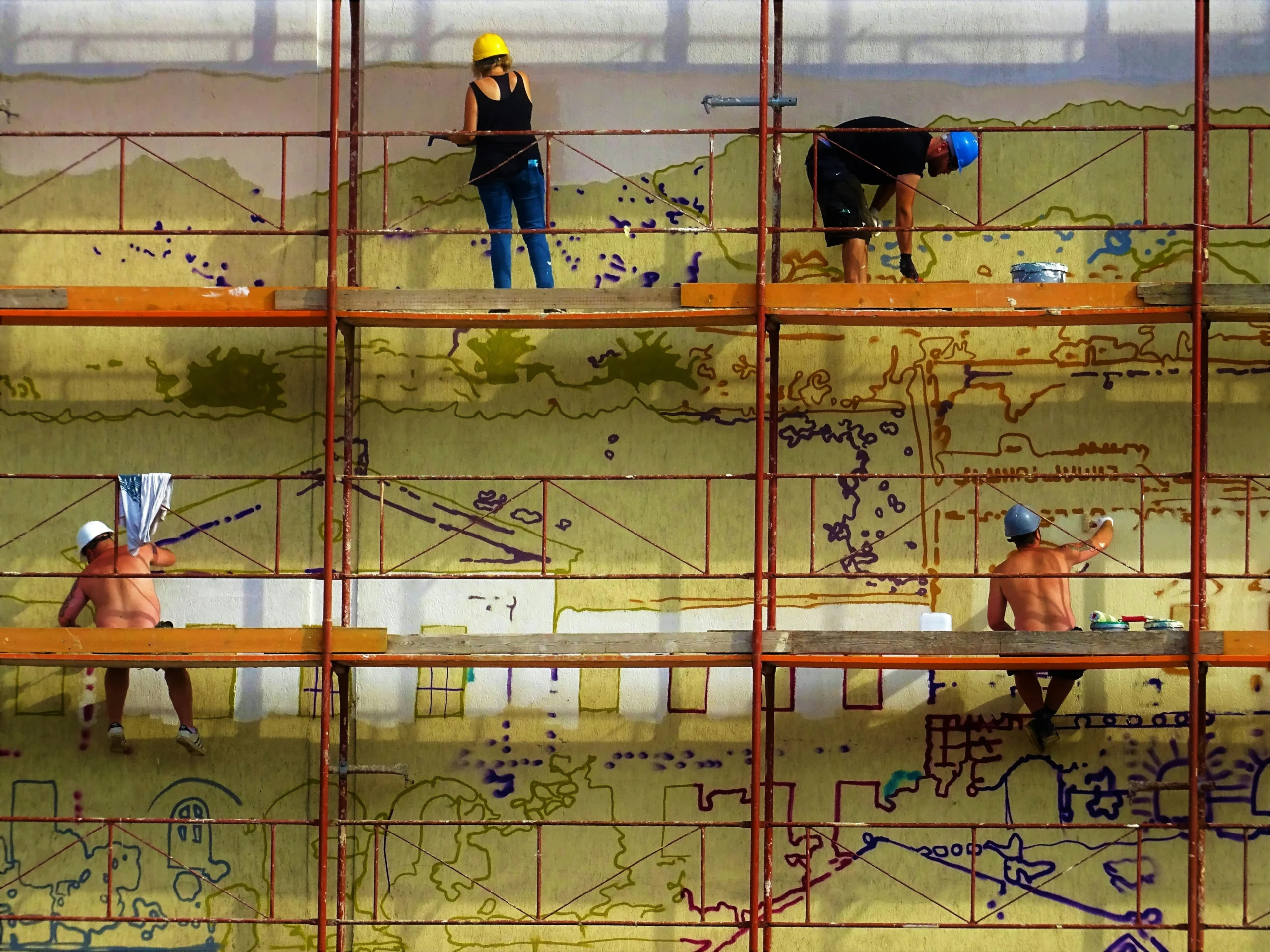
Man stood on scaffolding material


Do All Scaffolding Companies Have The Same Days

In the UK, scaffolding has to be planned, built and managed under strict safety rules. That includes the Work at Height Regulations and CDM, which are there to make sure access equipment is safe, risks are controlled, and the right people are in place to deliver the work. 

In simple terms, scaffolds must be designed properly for their use, erected by competent teams, and inspected regularly. Typically this includes checks before first use, after changes, and at intervals that don’t exceed seven days, as well as after anything that could affect stability such as bad weather or impact.

This matters because scaffolding is what other trades rely on. When it’s done correctly, it means safer working at height, fewer delays caused by failed inspections or last-minute fixes, and a smoother job overall.

That is where Safeway Scaffolding stands out. We do not force every project into a standard setup. For every client, we provide both TG20:21-compliant scaffolds and fully designed scaffolds, depending on what the site needs. If the structure is straightforward, a TG20:21 approach keeps things efficient and compliant. If the job is unusual, restricted, or complex, we provide a designed solution so the scaffold is right for the building, the programme, and the people using it.

Because we are NASC members and our teams are CISRS-trained, you get a consistent, professional service from erection through to dismantle. We are also known for taking on the awkward builds that others avoid, with a practical approach, clear communication, and reliable staff on site.

What this means for you

  • The right scaffold type for the job: TG20:21 or designed
  • CISRS-trained scaffolders for erection and dismantling
  • Strong experience across commercial and bespoke contracts
  • Specialists in unusual or complex scaffolding
  • Options for scaffold hire or a full contracting service


Challenges in Our Day

Like most jobs, scaffolding comes with challenges, both physical and mental. The work is mainly physical, but it’s completely manageable with the right training, safe working methods, and a solid team around you. If you’re a client, it helps to know that some factors can affect the day, such as sudden weather changes, restricted access, roadworks nearby, tight delivery windows, or other trades working in the same space. 


For anyone looking to get into the industry, those challenges are part of the job, not a reason to be put off. You learn quickly how to plan ahead, communicate clearly, adapt on site, and keep everything safe and on track, even when the conditions are not perfect.


Frequently Asked Questions 

What does a “good” scaffolding day look like in real life?
A good day usually means a clear plan, smooth site access, materials organised, and the scaffold going up in the right sequence with good communication between the team and the site contact.


What should I expect from a scaffolding team on the day of erection or dismantlement?
You should expect an organised arrival, safe set-up of the work area, clear communication about access and timings, and a structured build or dismantle that keeps the site tidy and controlled.


How do scaffolders work around other trades without slowing the job down?
It comes down to coordination. Scaffold teams plan access routes, loading areas, and build sequences so other trades can continue working safely, and any changes can be handled without disruption.


If I’m new to scaffolding, what will my first few weeks typically involve?
You’ll usually start by learning site routines, safe handling, basic components, and how a scaffold build is sequenced, while working closely with experienced scaffolders and gradually taking on more responsibility.


What information should a client share upfront to get the best result?
Key details include what work needs access, site restrictions (parking, roadworks, public walkways), expected dates, and any tricky areas like fragile roofs or tight access, so the scaffold can be planned correctly from the start.

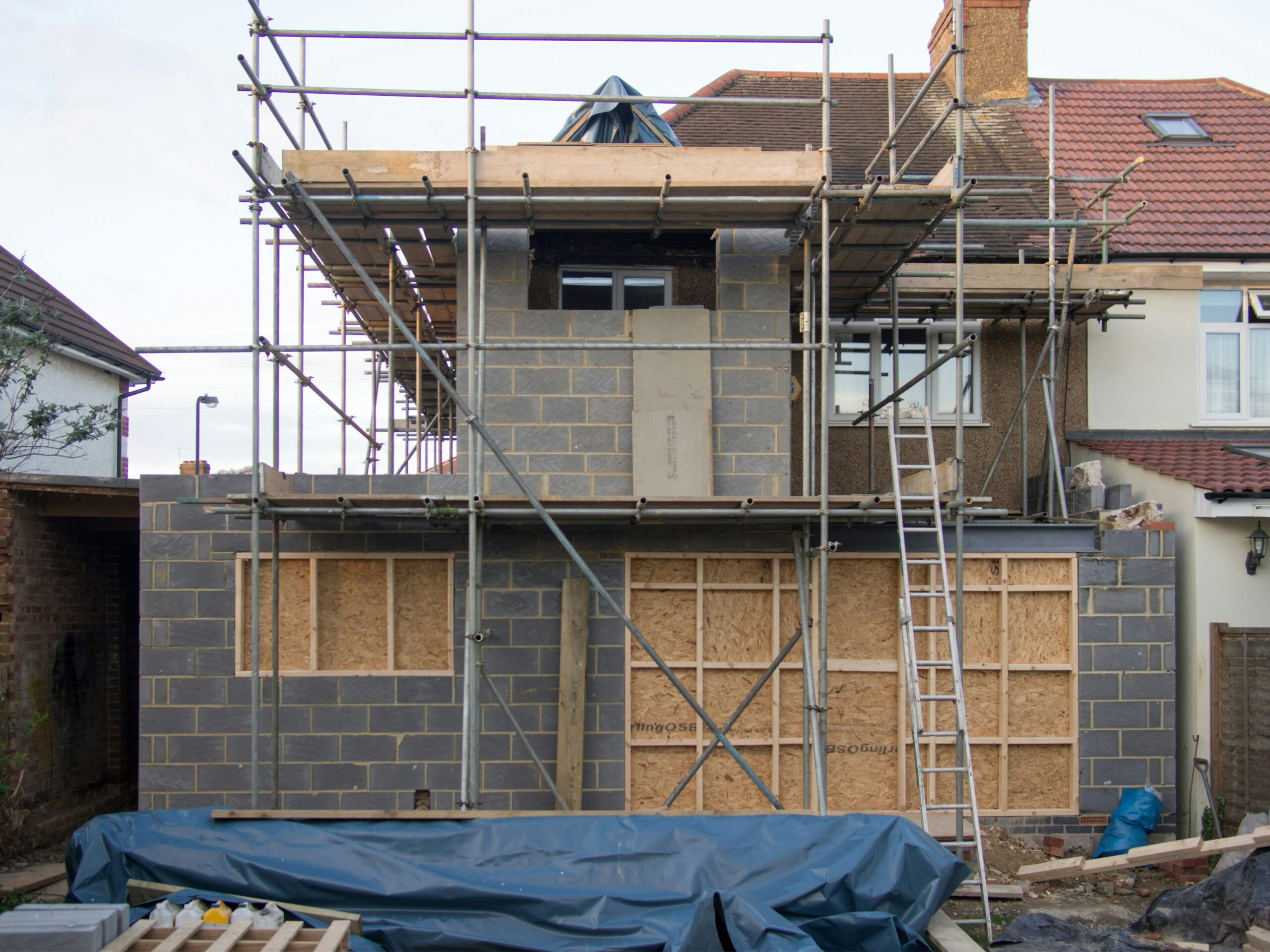
An image of domestic scaffolding allowing for a home extension.


Get in Touch With Safeway Scaffolding Today!

If you are looking for services done by our accredited and well-respected team near Birmingham, then contact Safeway Scaffolding today. Equally if you are searching for roles like ours or within the industry you can give us an email and we will get back to you as soon as possible with an update on work availability at our company and next steps.

What To Know Before Hiring Scaffolding

Hiring scaffolding is a crucial step in many home improvement projects that require working at height. Whether you’re painting, roofing, or undertaking extensive renovations, scaffolding provides a safe, stable platform for workers.

However, before hiring scaffolding, it’s essential to understand certain key factors to ensure your project complies with safety standards and legal requirements, and aligns with your budget and timeline.

This guide will walk you through what you should know before hiring domestic scaffolding, focusing on legal compliance, safety, and practical considerations.
Continue reading “What To Know Before Hiring Scaffolding”

The Evolution of Scaffolding

How Has Scaffolding Changed From Ancient Times to Today’s Skyscrapers?

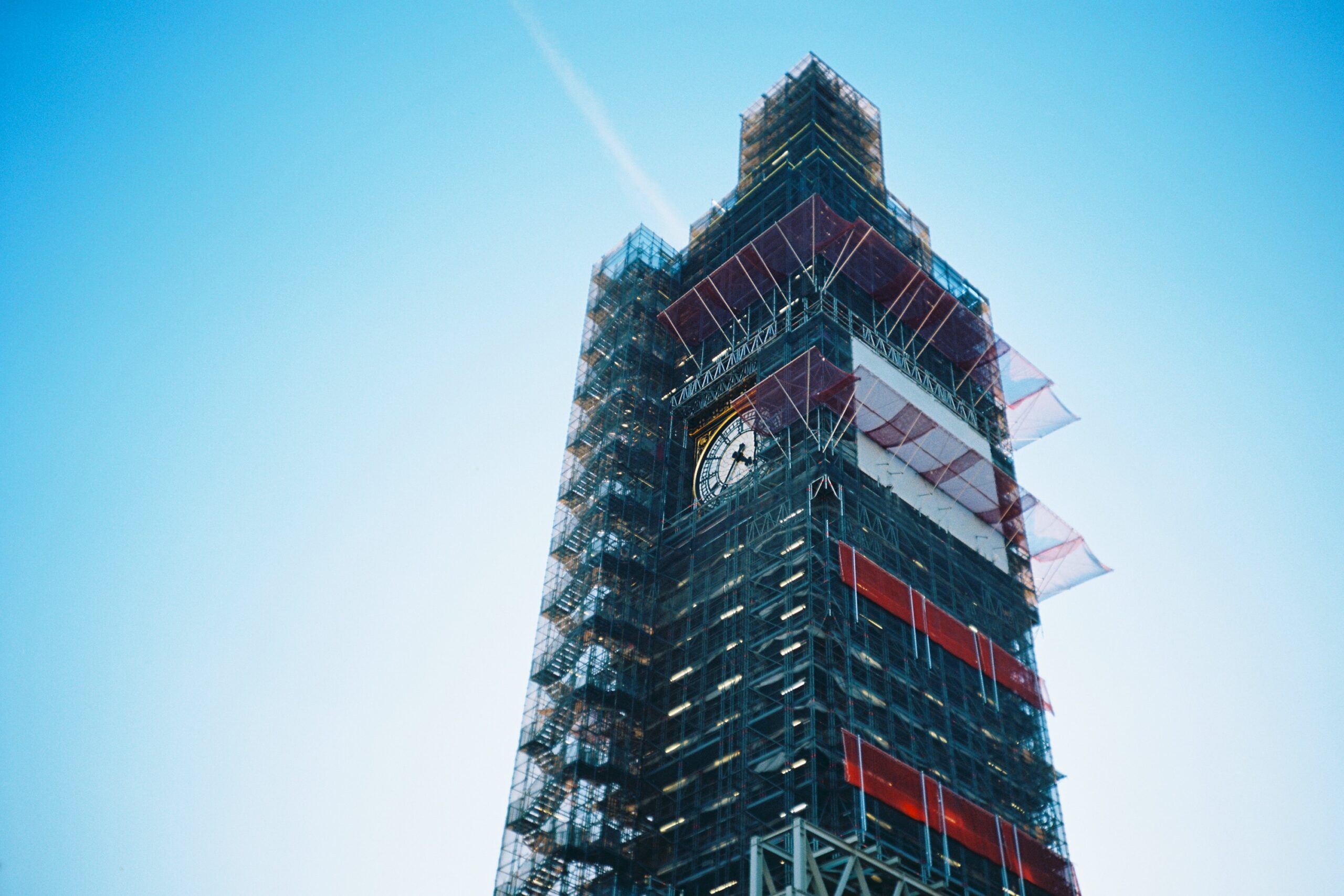
If you’ve ever witnessed the rise of a skyscraper, you’ve seen the maze of scaffolding that surrounds it. It’s a construction staple, but it’s also a technology that’s evolved over hundreds of years. Scaffolding hasn’t always been what it looks like now. In our latest article, we will take you back in time to see how ancient building techniques have led to the scaffolding that you now see supporting the tallest towers.
Continue reading “The Evolution of Scaffolding”

Does Scaffolding Cause Damage?

Scaffolding is an essential tool in the construction and maintenance industry. It is designed to provide a safe and stable platform for workers to access elevated areas. While scaffolding is key for completing tasks efficiently and safely, many people worry about the chances of scaffolding causing damage to their home or the building it is erected upon.

In this blog, we will run through whether scaffolding can cause damage and will cover some of the factors that can influence its impact on buildings.

Continue reading “Does Scaffolding Cause Damage?”

What Is Cantilever Scaffolding?

Cantilever scaffolding, aka ‘cantilever scaffold’ is a specialised construction and maintenance support system. It is designed to provide access to elevated areas. You will tend to come across it when the ground below is obstructed or inaccessible. What makes a cantilever different to conventional scaffolding, is that it extends horizontally from an existing structure. Cantilever scaffolding essentially reaches out to create a work platform. In comparison, conventional scaffolding relies on vertical support from the ground up. This unique design allows construction and maintenance professionals to carry out their tasks safely and efficiently in situations where traditional scaffolding may not be possible.

Continue reading “What Is Cantilever Scaffolding?”

Scaffolding for Specialised Projects

In the world of construction, scaffolding is used in more ways than just regular building sites. It’s crucial for special projects, like big monuments, long bridges, and tall factories. This article explores how scaffolding helps with the specific problems of these special projects and how new ideas have changed the construction industry.

Continue reading “Scaffolding for Specialised Projects”

Why Domestic Scaffolding is Essential

As a homeowner, there is always something to fix or improve around the house. Whether it’s giving the place a fresh coat of paint, patching up the roof, or tackling some other renovation, we’ve all been there. It is important to get these jobs done to maintain and improve your property. One crucial element that can significantly enhance the safety and efficiency of such projects is domestic scaffolding. In this blog, we will explore the reasons why domestic scaffolding is essential for home maintenance and renovations.
Continue reading “Why Domestic Scaffolding is Essential”

The Advantages of Using Bespoke Scaffolding

What Are the Advantages of Using Bespoke Scaffolding for Construction Projects?

Bespoke scaffolding refers to customised or tailored scaffolding solutions that are specifically designed and fabricated to meet the unique requirements of a particular construction or maintenance project. It involves designing and constructing scaffolding systems that are customised to fit the specific dimensions, configurations, and access requirements of a particular site or structure.

Continue reading “The Advantages of Using Bespoke Scaffolding”

Guide to Suspended Scaffolding

There are many different types of scaffolding, from cantilever, putlog to bamboo scaffolding. Scaffolding is one of the most commonly used pieces of construction equipment used in the industry. The type of scaffolding will depend on the purpose of the scaffolding. Suspended scaffolding is a special type of scaffolding that is used under certain conditions. This article will discuss what suspended scaffolding is and what types of suspended scaffolding there is.

Continue reading “Guide to Suspended Scaffolding”